Choosing the Right LED Vehicle Lights for Safer Driving
Light Emitting Diodes (LEDs) have revolutionized the automotive lighting industry, becoming the standard choice for vehicle lights due to their efficiency, longevity, truckelectrics.com and performance. This report explores the benefits, applications, and future of LED vehicle lights.
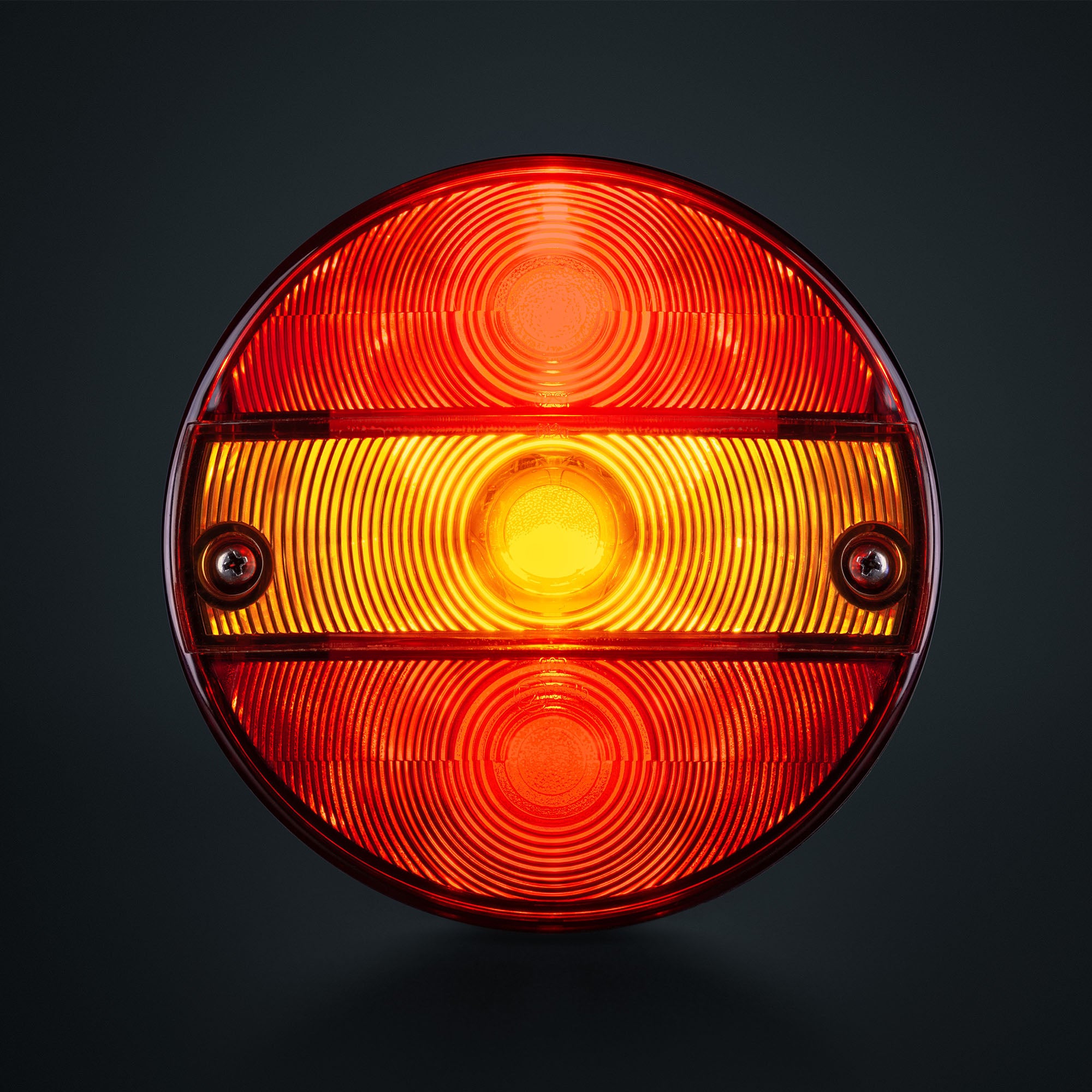 One of the most significant advantages of LED vehicle lights is their energy efficiency. Compared to traditional halogen bulbs, LEDs consume significantly less power, allowing for better fuel economy in vehicles. This efficiency translates to less strain on the vehicle's electrical system, reducing the likelihood of battery issues and extending the lifespan of the vehicle's components.
In terms of longevity, LED lights can last up to 25,000 hours or more, which is several times longer than incandescent bulbs, which typically last around 1,000 hours. This durability means less frequent replacements, reducing maintenance costs and the environmental impact associated with manufacturing and disposing of light bulbs.
Performance is another area where LED lights excel. They provide brighter illumination with a more focused beam pattern, enhancing visibility for drivers and pedestrians alike. The crisp, white light produced by LEDs closely resembles natural daylight, which can improve contrast and depth perception on the road. This is particularly beneficial during nighttime driving or in adverse weather conditions, enhancing safety for all road users.
LED vehicle lights are versatile and can be used in various applications, including headlights, taillights, brake lights, turn signals, and interior lighting. They are increasingly being integrated into modern vehicle designs, with manufacturers adopting them not only for their functional benefits but also for their aesthetic appeal. The sleek, modern look of LED lights can enhance the overall design of a vehicle, making it more attractive to consumers.
Moreover, LED technology allows for innovative lighting solutions, such as adaptive headlights that adjust the beam direction based on the vehicle's speed and steering angle. This feature improves nighttime driving safety by providing better illumination of curves and corners. Additionally, some vehicles are now equipped with LED daytime running lights (DRLs), which enhance visibility during the day and reduce the risk of accidents.
Despite their many advantages, there are some considerations to keep in mind. The initial cost of LED lights can be higher than traditional bulbs; however, the long-term savings on energy and maintenance often outweigh this upfront investment. Furthermore, LED lights can generate more heat than traditional bulbs, necessitating proper heat management to ensure longevity and performance.
Looking to the future, the adoption of LED technology in vehicles is expected to grow, with advancements in smart lighting systems and integration with vehicle-to-vehicle (V2V) communication technologies. These innovations could lead to even more efficient and safer lighting solutions, paving the way for enhanced road safety and smarter transportation systems.
In conclusion, LED vehicle lights represent a significant advancement in automotive lighting technology. Their energy efficiency, longevity, Truck Electrics and superior performance make them an ideal choice for modern vehicles. As technology continues to evolve, LED lights will likely play a crucial role in the future of automotive design and safety.